Concrete Retaining Walls vs Concrete Poured Walls: What’s the Difference?
Homeowners seeking to build durable, functional landscape support structures can rely on local contractors specializing in concrete retaining walls and poured walls to help determine the best option for their needs.
If you're exploring options for adding structure or support to your property, understanding the differences between concrete retaining walls and concrete poured walls is a helpful first step. Property owners in the area often consider these options to enhance landscape stability, prevent erosion, or create functional outdoor spaces. Knowing what sets these types of walls apart can help you make informed decisions about which solution best suits your needs. Local contractors specializing in retaining wall and concrete poured wall installation are available to provide guidance tailored to your property’s unique requirements, ensuring the right choice for your project.
As you delve into the details of concrete retaining walls versus concrete poured walls, it’s important to consider factors like durability, appearance, and installation methods. Both options serve different purposes and can significantly impact the overall look and function of your landscape or foundation. Whether you're interested in a sturdy retaining structure or a foundation wall, local service providers are equipped to help evaluate your site and recommend the most practical solution. Keep reading to learn more about these options and how local experts can assist in bringing your project to life.
Get Quotes for Retaining Wall And Concrete Poured Wall Installation
- Retaining wall installation - needed when property owners require support for sloped landscapes or to prevent soil erosion, with local contractors customizing solutions based on site conditions.
- Concrete poured wall installation - suitable for creating durable foundation or basement walls, with service providers focusing on precise formwork and concrete pouring techniques.
- Retaining wall construction - often selected for landscaping projects that need aesthetic or functional barriers, with local pros designing and building to match specific terrain needs.
- Concrete poured wall setup - used in foundation or structural applications where strength and stability are priorities, with local contractors ensuring proper reinforcement and curing.
- Retaining wall services - ideal for hillside or terrace stabilization, with local pros offering tailored approaches to ensure long-lasting support structures.
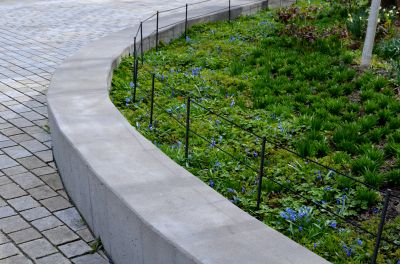
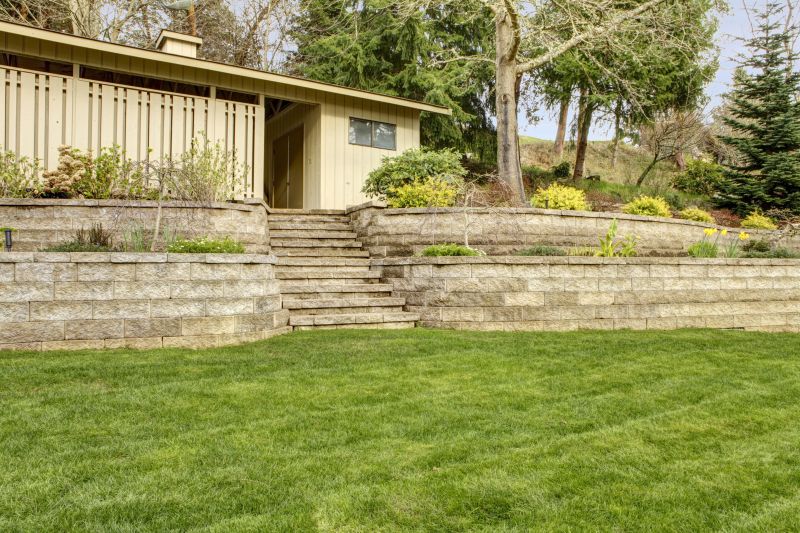
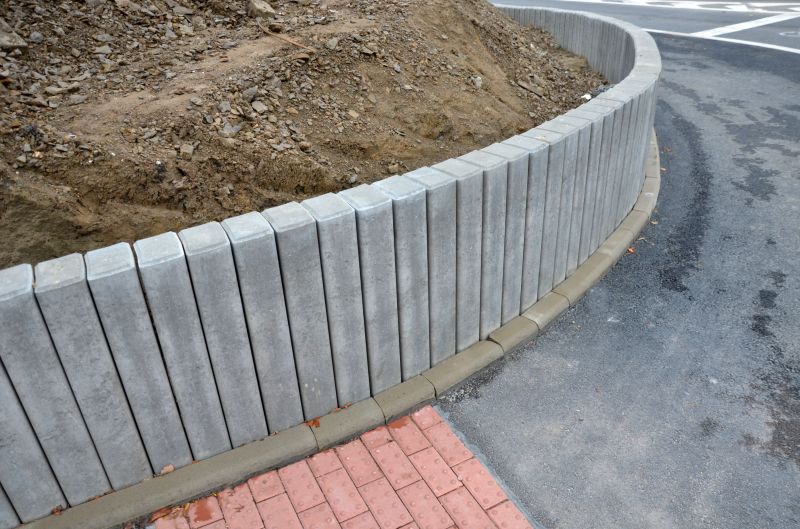
When searching for information about concrete retaining walls vs concrete poured walls, most homeowners are trying to understand the fundamental differences between these two types of structures. Typically, the focus is on how each option functions in terms of supporting soil, managing slopes, or creating level areas on a property. People often want to know which type is better suited for their specific landscape or project, whether it’s for preventing erosion, creating a garden space, or building a terrace. This search usually indicates a homeowner is planning a landscaping or construction project that involves managing elevation changes or stabilizing soil, and they are exploring the most effective and durable solutions available.
Concrete retaining walls are generally understood as structures built to hold back soil or other materials, often made with modular blocks, poured concrete, or other materials assembled on-site. These walls tend to be visible features that serve both structural and aesthetic purposes, especially on properties with significant slopes or uneven terrain. On the other hand, concrete poured walls refer to structures created by pouring concrete into forms to produce a seamless, solid wall. They are often used in foundation work, basement walls, or other structural applications where strength and stability are critical. The distinction between these two types is often linked to the intended use, appearance, and the load-bearing requirements of the project.
The types of properties that commonly involve these structures include residential yards with uneven terrain, commercial properties needing durable retaining solutions, and properties with significant elevation changes. For homeowners, the choice between a concrete retaining wall and a poured concrete wall may depend on factors like the size of the area, aesthetic preferences, and the level of soil pressure involved. In many cases, local contractors who specialize in concrete and retaining wall installation can assess the property and recommend the most suitable option. These professionals understand how to handle different soil conditions, property layouts, and design goals, ensuring that the chosen structure provides long-lasting support and blends well with the landscape.
Understanding the differences between concrete retaining walls and concrete poured walls helps homeowners make informed decisions for their projects. Retaining walls are often selected for their ability to create usable space, prevent erosion, and add visual interest to a landscape, while poured concrete walls are chosen for structural stability, foundation work, or when a seamless appearance is desired. When considering these options, it’s important to work with experienced local service providers who can evaluate the specific needs of the property, provide professional installation, and ensure the structure’s durability. Connecting with local contractors can help turn the project’s goals into a practical, lasting solution that enhances the property’s function and appearance.
Landscape Design Projects - landscape features often involve the installation of retaining walls and poured concrete elements, requiring similar planning and construction skills.
Foundation Construction - building foundations for residential or commercial structures shares techniques with poured concrete wall installation and requires precise planning.
Terrace and Patio Installations - creating level outdoor spaces may involve constructing retaining walls or poured concrete surfaces, utilizing similar tools and methods.
Erosion Control Projects - managing soil stability with retaining structures or poured concrete barriers involves comparable planning and material handling skills.
Driveway and Sidewalk Paving - installing concrete driveways or walkways shares techniques with poured concrete walls, emphasizing concrete placement and finishing.
Retaining Wall Repairs and Reinforcements - fixing or strengthening existing retaining structures requires expertise in similar materials and construction practices used in new installations.
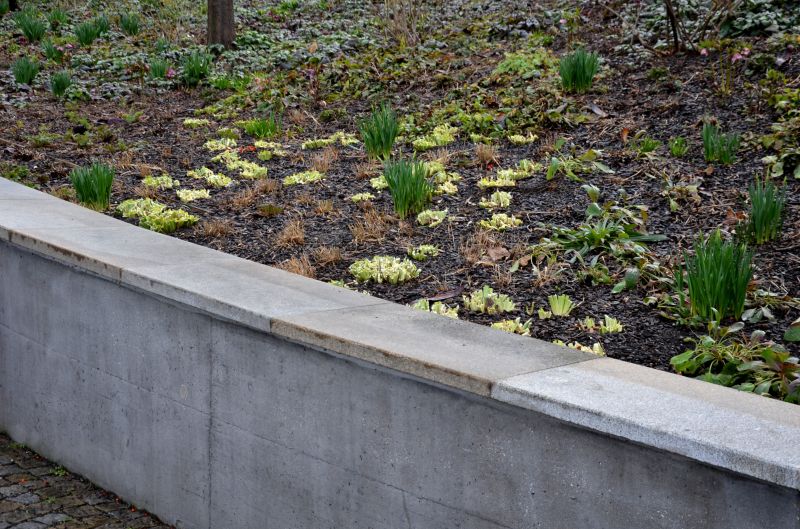
When comparing service providers for concrete retaining walls versus concrete poured walls, experience with similar projects is a key factor to consider. Homeowners should look for local contractors who have a proven track record of completing projects comparable in scope and design. For example, someone who has installed multiple retaining walls in hillside landscapes or poured foundation walls for residential structures may be better equipped to handle the nuances of each type of work. An experienced contractor can better anticipate challenges, recommend appropriate materials, and ensure that the finished product meets the specific needs of the property.
Clear written expectations are essential when evaluating potential service providers. Homeowners should seek detailed proposals that outline the scope of work, materials to be used, and the estimated process for installation. This clarity helps prevent misunderstandings and ensures that both parties are aligned on the project’s goals. When reviewing contractors, ask whether they can provide a comprehensive plan that covers project phases, potential issues, and maintenance considerations. Transparent communication and well-documented expectations contribute to a smoother installation process and help homeowners feel confident in their choice.
Reputable references and good communication are vital indicators of a reliable contractor. Homeowners can ask for references from previous clients who had similar projects completed, especially those involving concrete retaining walls or poured walls. Speaking with past customers can reveal insights into the contractor’s professionalism, quality of work, and ability to meet deadlines. Additionally, effective communication during the planning and execution stages ensures that questions are answered promptly and concerns are addressed. Choosing local contractors known for clear, consistent communication and positive references can lead to a more successful and satisfying project outcome.
Get a Quote for Retaining Wall And Concrete Poured Wall Installation
Property owners often search for concrete retaining walls vs concrete poured walls: what’s the difference? when they are planning practical projects around their homes and businesses. Local pros provide Retaining Wall and Concrete Poured Wall Installation services for everyday jobs and straightforward project options.
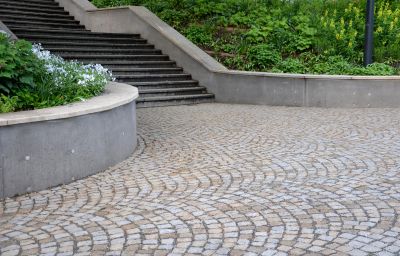
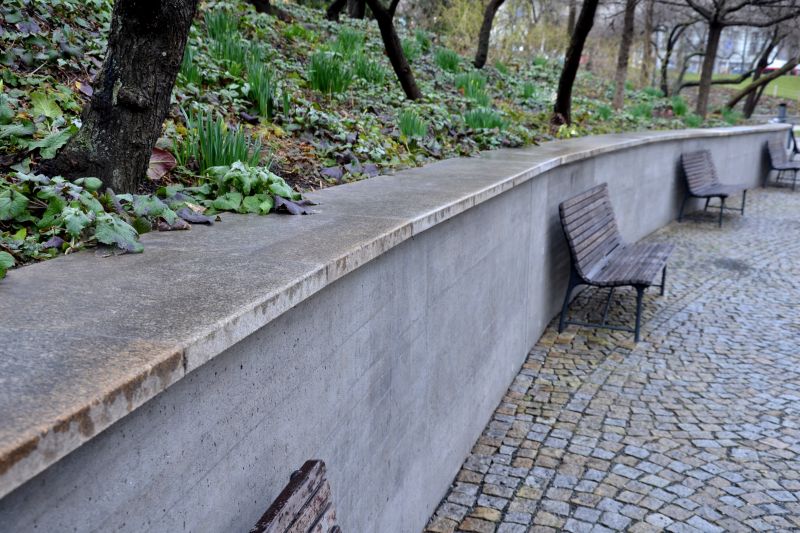
Understanding the differences between concrete retaining walls and concrete poured walls can help property owners make informed decisions for various outdoor projects. For those managing uneven terrain or needing to prevent soil erosion, retaining walls are often considered, as they provide structural support and help define landscape levels. Homeowners or property managers might look up this topic to determine which type of wall best suits their needs, whether for garden beds, terracing, or yard stabilization. Local contractors specializing in retaining wall installation can offer insights into durable, visually appealing options that fit specific property conditions, making them a practical choice for those seeking reliable solutions.
On the other hand, concrete poured walls are commonly used for foundation work, basement walls, or structural support within a building. Property owners planning new construction or renovations may research this type of wall to understand its advantages, such as strength and seamless design. When considering concrete poured wall installation, consulting experienced service providers can ensure proper setup tailored to the property’s requirements. Whether for retaining purposes or foundation needs, local contractors can help determine the most suitable concrete wall type and handle the installation with expertise.
Get a Quote for Retaining Wall And Concrete Poured Wall Installation
What are the main differences between concrete retaining walls and poured walls? Concrete retaining walls are designed to hold back soil and typically involve modular blocks or panels, while poured walls are continuous concrete structures often used for foundations or basements. Local contractors can help determine which type suits specific landscape or structural needs.
How does the construction process vary between retaining walls and poured walls? Retaining walls are usually built using pre-formed blocks or panels assembled on-site, whereas poured walls involve pouring liquid concrete into forms to create a seamless surface. Local service providers can manage both methods efficiently based on project requirements.
Are there different materials used for retaining walls compared to poured walls? While both structures primarily use concrete, retaining walls may incorporate additional reinforcements like geogrids or decorative facing, whereas poured walls focus on creating a solid, uniform surface. Local contractors can advise on the best materials for durability and aesthetics.
Which type of wall is better for landscaping or garden features? Concrete retaining walls are often preferred for landscaping due to their ability to create terraced levels and decorative finishes, while poured walls are more common for foundational or structural purposes. Local pros can help select the right option for visual appeal and stability.
Can local contractors handle both retaining wall and poured wall installations? Yes, many local service providers are experienced in installing both concrete retaining walls and poured walls, ensuring proper construction tailored to the specific project and site conditions.
Choosing the right wall type - property owners can consult local contractors to determine whether concrete retaining walls or poured walls best suit their landscape and structural needs.
Assessing project scope - understanding the differences in installation and durability helps property owners plan for features like garden terraces or foundation support with expert guidance.
Considering material options - local service providers can advise on the strengths and aesthetics of each wall type to match the property's style and functional requirements.
Planning for future maintenance - property owners can work with local pros to select wall types that require minimal upkeep and fit into long-term property management plans.
If you are thinking about concrete retaining walls vs concrete poured walls: what’s the difference? for a property, this guide is meant to help you understand this topic, the typical project types, and how different options might fit your plans.
When you are ready, you can use the quote form on this page to share a few details about your project. From there, local pros can review the basics and follow up with options that match what you have in mind.
Get a Quote for Retaining Wall And Concrete Poured Wall Installation