When a Property Needs a Concrete Retaining or Poured Wall
When a property needs a concrete retaining or poured wall, local contractors can provide expert installation to ensure stability and proper support.
Understanding when a property needs a concrete retaining or poured wall is essential for maintaining stability and functionality in outdoor spaces. Property owners in the area often encounter situations where soil erosion, uneven terrain, or landscaping needs require a sturdy, reliable solution. Installing a concrete retaining wall can help prevent ground shifting, protect foundations, and create level areas for patios, gardens, or driveways. When a property faces these challenges, consulting experienced local contractors can ensure the right approach is taken to address the specific needs of the site.
For those considering structural improvements or landscape enhancements, knowing the signs that a poured wall might be necessary can make a significant difference. Whether it’s managing hillside properties, controlling water runoff, or creating a more functional outdoor environment, professional service providers can assess the situation and recommend appropriate solutions. Connecting with local experts ensures that any concrete retaining or poured wall installation is handled with skill and attention to detail, helping property owners achieve a durable, long-lasting result tailored to their property’s unique conditions.
Get Quotes for Concrete Retaining Wall Or Poured Wall Installation
- Concrete Retaining Wall - needed when soil stability is a concern on a sloped property, with local contractors specializing in structural support solutions.
- Poured Wall - appropriate when creating a foundation or basement wall that requires durable, long-lasting concrete work handled by experienced service providers.
- Concrete Retaining Wall - necessary for defining landscape levels or preventing erosion, with local pros designing and installing systems tailored to site conditions.
- Poured Wall - required when building a foundation or supporting structure that demands precise concrete pouring and reinforcement by skilled contractors.
- Concrete Retaining Wall - used when managing uneven terrain to improve usability and safety, with local service providers ensuring proper installation for lasting performance.
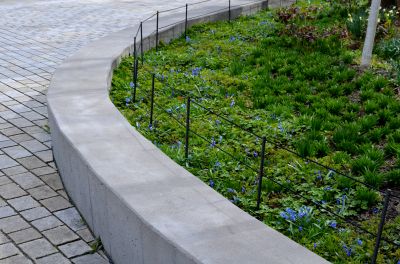
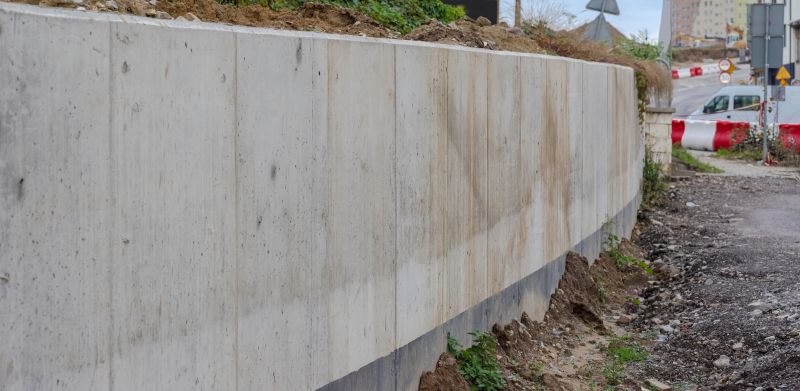
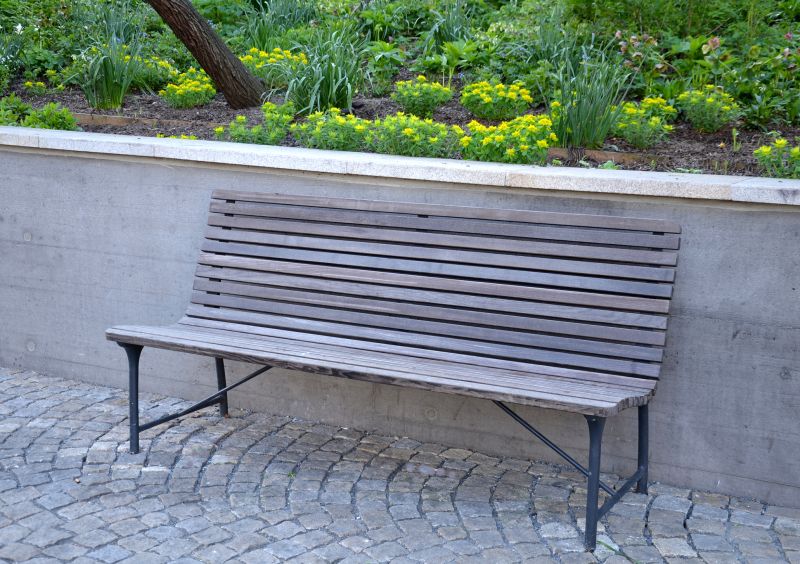
When a property needs a concrete retaining or poured wall, it usually signals that there is a need to manage changes in elevation or prevent soil erosion on the site. Homeowners often search for this topic when planning landscaping projects, such as creating level outdoor spaces, gardens, or patios on sloped land. These walls can also be essential for supporting structures like driveways or walkways that run along uneven terrain. Understanding when these walls are necessary helps property owners determine if their land requires additional support to stay stable and safe, especially when dealing with significant grade changes.
Concrete retaining or poured walls are commonly associated with properties that have hilly or terraced landscapes, where natural ground levels vary markedly. They are frequently used in hillside homes, properties with sloped yards, or commercial sites needing to create flat areas. These walls are also relevant in projects involving excavation for basements or underground parking, where soil pressure must be controlled to prevent shifting or collapse. Recognizing these situations helps homeowners see how such walls can serve both functional and aesthetic purposes, providing long-term stability while enhancing the property's overall appearance.
The types of properties that typically come up in discussions about when a concrete retaining or poured wall is needed include residential homes with uneven yards, hillside properties, and commercial or industrial sites with significant grading. Residential properties often require these walls to create level lawns, prevent landslides, or support outdoor living spaces. In commercial settings, they may be used to stabilize large excavation areas or support parking lots built on slopes. Property owners in these scenarios often work with local contractors who specialize in installing durable, custom-designed walls that meet the specific demands of the site and the property's intended use.
Understanding when a property needs a concrete retaining or poured wall involves recognizing the signs of ground movement or instability and planning for future growth or landscaping goals. If there are signs of soil shifting, cracking in existing structures, or water pooling against the foundation, it may indicate that additional support is necessary. Local service providers experienced in concrete retaining and poured wall installation can assess the property’s unique conditions and recommend solutions that ensure stability and durability. These professionals can help property owners navigate the options available, ensuring that the walls are built to withstand the specific pressures and environmental factors present on the site.
Foundation Repair Projects - tasks that involve stabilizing or strengthening existing structures often require skills in concrete work similar to those used in retaining and poured wall installations.
Landscape Wall Construction - building decorative or functional landscape walls involves planning and precision similar to constructing concrete retaining walls for property support.
Basement Wall Waterproofing - waterproofing basement walls often requires understanding of poured concrete walls and proper sealing techniques used by local contractors.
Driveway and Patio Pours - installing concrete driveways or patios involves pouring and finishing techniques comparable to those used in poured wall projects.
Drainage System Installations - designing and installing drainage solutions often ties into retaining wall projects to manage water flow and soil stability effectively.
Slope Stabilization Projects - stabilizing hillsides or embankments with retaining structures demands similar planning and concrete skills as when installing concrete retaining walls.
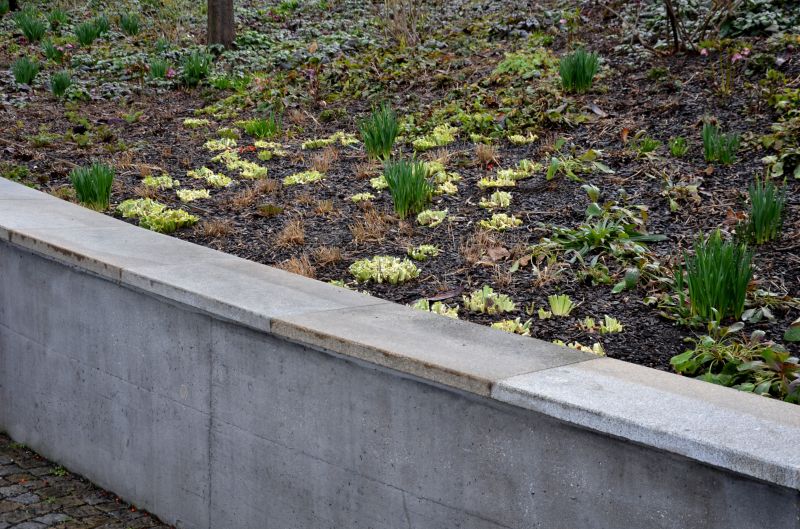
When evaluating contractors for a concrete retaining or poured wall, experience with similar projects is a key factor to consider. Homeowners should inquire about the contractor’s background in handling retaining wall installations, ensuring they have a history of completing work comparable in scope and complexity. A contractor with relevant experience is more likely to understand the specific challenges involved, such as soil conditions, drainage requirements, and structural considerations, which can influence the longevity and stability of the wall.
Clear written expectations are essential for a successful project. Homeowners should seek service providers who can provide detailed proposals outlining the scope of work, materials to be used, and the estimated timeline. Having these expectations documented helps prevent misunderstandings and ensures all parties are aligned on project goals. It’s also beneficial to review any warranties or guarantees offered, as these can provide additional confidence in the quality of work provided by the contractor.
Reputable references and good communication are vital when choosing a contractor for a concrete retaining or poured wall. Homeowners should ask for references from previous clients who had similar work completed and follow up to learn about their experiences. Effective communication throughout the project process helps address questions promptly and keeps the project moving smoothly. A contractor who is responsive and transparent can make the process more manageable and increase the likelihood of a satisfactory outcome.
Get a Quote for Concrete Retaining Wall Or Poured Wall Installation
Property owners often search for when a property needs a concrete retaining or poured wall when they are planning practical projects around their homes and businesses. Local pros provide Concrete Retaining Wall or Poured Wall Installation services for everyday jobs and straightforward project options.
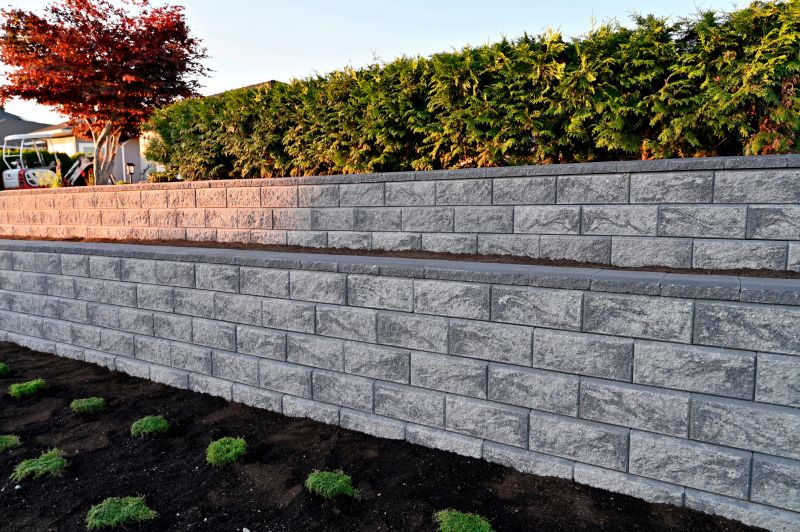
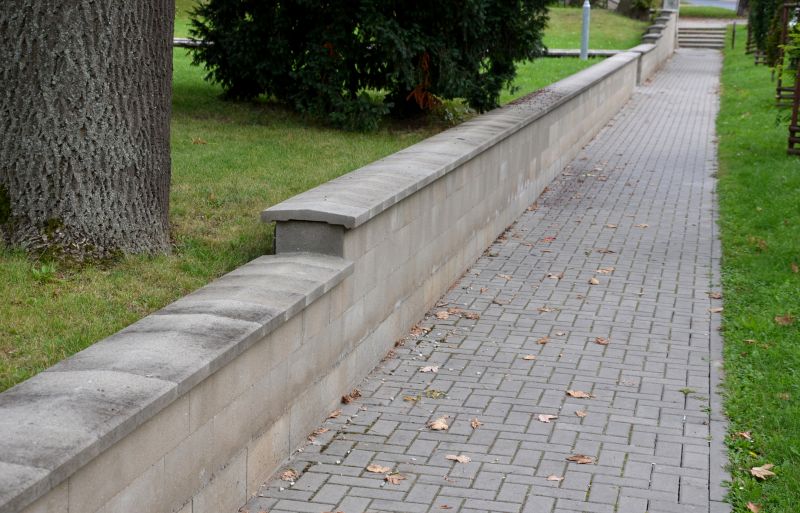
When property owners face issues like uneven terrain, soil erosion, or the need to create level outdoor spaces, a concrete retaining or poured wall can be an effective solution. These walls are often necessary when there’s a significant change in ground elevation that could impact the stability of a landscape or structure. For example, building a backyard patio on a slope or preventing soil from washing away during heavy rains are common reasons to consider these types of walls. Local contractors who specialize in concrete retaining and poured wall installation can assess the site conditions and recommend the best approach to ensure long-lasting support and stability.
In addition, property owners might look into concrete retaining or poured walls when planning for future landscaping or structural additions. These walls can serve as a foundation for terraces, garden beds, or fencing, helping to maximize usable outdoor space. They are also useful when a property needs to prevent erosion around foundations or slopes, protecting the integrity of the landscape. Service providers in the area experienced in these projects can help evaluate the property’s needs and provide solutions that enhance both safety and functionality.
Get a Quote for Concrete Retaining Wall Or Poured Wall Installation
When should a property consider installing a concrete retaining wall? A property may need a concrete retaining wall when there is a significant change in grade or elevation that requires support to prevent soil erosion and maintain stability.
What signs indicate a poured wall might be necessary for my property? Signs include leaning or cracking retaining structures, uneven ground, or soil shifting, which can signal the need for a poured wall to provide additional support.
Can a concrete retaining wall help with landscaping or yard organization? Yes, a concrete retaining wall can define different levels, create terraces, and help manage slope stability for improved landscaping and yard usability.
What are common scenarios where a poured wall is recommended? Poured walls are often recommended for basement foundations, large retaining needs, or when a durable, long-lasting wall is required to support significant earth pressure.
How do local contractors determine if a property needs a concrete or poured wall? Contractors assess the property's soil conditions, slope, and structural requirements to determine if a concrete retaining or poured wall is necessary for stability and safety.
Assessing soil stability - When soil erosion or shifting occurs, property owners can seek local contractors to install a concrete retaining or poured wall that provides necessary support.
Managing slope or elevation changes - If a property has uneven terrain or hillside areas, a poured wall can create level spaces and prevent landslides, with local pros handling the construction.
Controlling water runoff - Excess water flow or pooling may require a retaining wall to redirect or contain runoff, and experienced service providers can help design and build the right solution.
Preventing foundation issues - When a property’s foundation shows signs of settling or cracking, installing a concrete wall can reinforce the structure, with local contractors offering expert installation services.
If you are thinking about when a property needs a concrete retaining or poured wall for a property, this guide is meant to help you understand this topic, the typical project types, and how different options might fit your plans.
When you are ready, you can use the quote form on this page to share a few details about your project. From there, local pros can review the basics and follow up with options that match what you have in mind.
Get a Quote for Concrete Retaining Wall Or Poured Wall Installation